Are you supplying electricity or are you an energy seller?
Embedded Networks and Private Electricity Supply
When the issue arises
If you own, control or operate a private electricity network that supplies electricity to another person, you may be operating within the network exemption framework under the National Electricity Law and the National Electricity Rules.
A network is broadly understood to include the equipment, plant and infrastructure used to convey and control the conveyance of electricity.
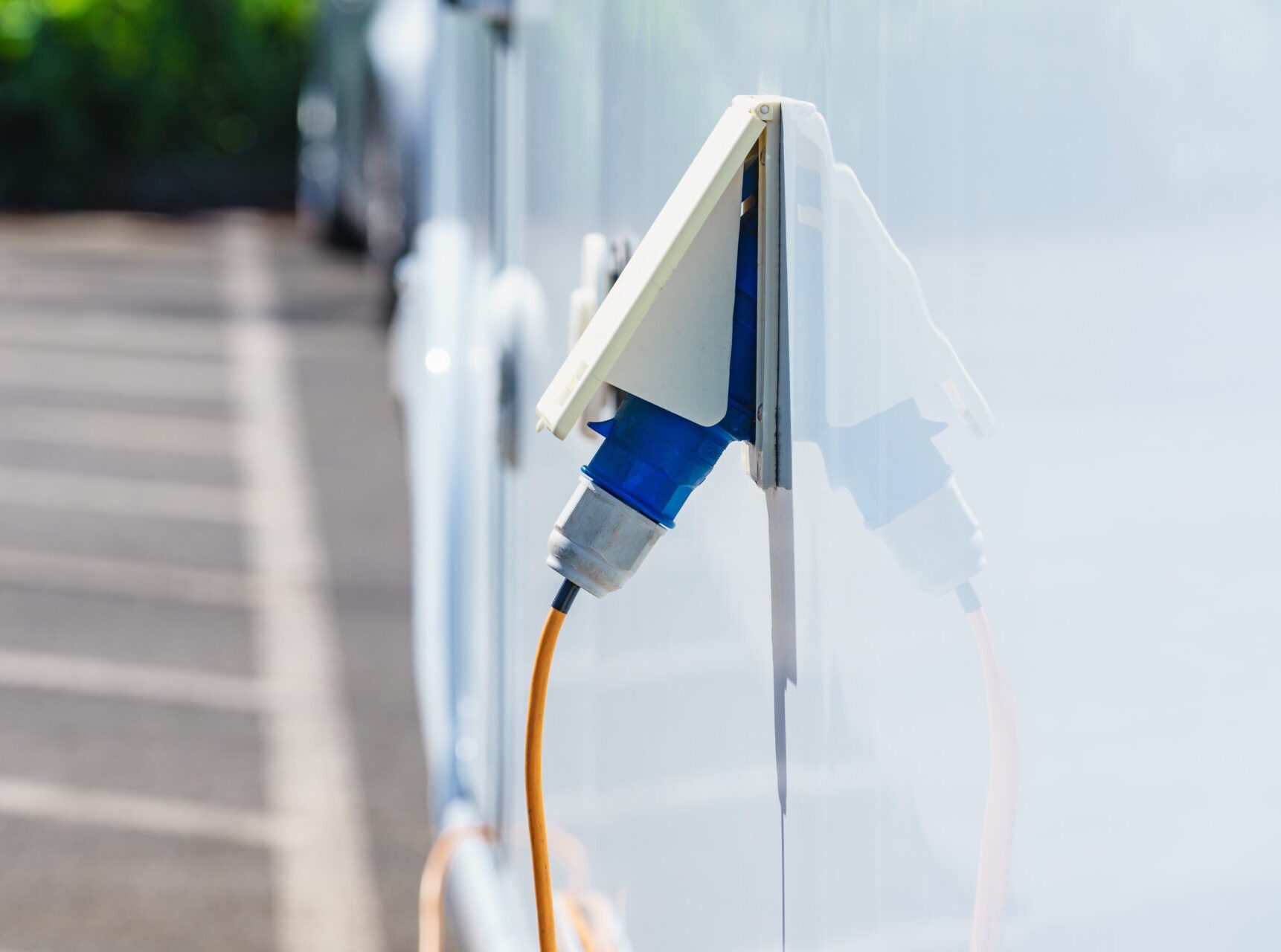
The Australian Energy Regulator (AER) provides guidance that this commonly arises in private sites such as caravan parks, apartment developments, shopping centres, airports, farms and mining operations.
What to look for
- Electricity is supplied through a private network.
- The network is used by another person or customer.
- The arrangement sits outside standard registered network operations.
Network Exemptions
When an exemption may be required
Where a private network is connected to the national grid, used to supply electricity to a third party and the operator is not registered as a network service provider, an exemption may be required from the AER.
The AER provides guidance that anyone engaging in electricity transmission or distribution activity must generally be registered with the Australian Energy Market Operator as a network service provider or hold a network exemption.
Why it matters
Exemption holders remain subject to conditions, including compliance obligations designed to protect consumers and regulate how the network is operated.
Choosing the Right Exemption Pathway
Main pathways
- Deemed exemptions – may apply automatically to certain low-risk or incidental supply arrangements.
- Registrable exemptions – apply where the relevant class must be registered with the AER.
- Individual exemptions – may be required where the arrangement falls outside a standard class or requires tailored conditions.
Retail Exemptions and Energy On-Selling
When the issue arises
If you sell electricity or gas to another person for use at premises, you may be an energy seller under the National Energy Retail Law (Retail Law).
AER guidance indicates this can extend beyond traditional retailers to landlords, operators and site owners who recover or on-sell energy costs within private arrangements.
Common examples
- Embedded networks in apartment buildings, shopping centres or mixed-use developments.
- Caravan parks and retirement villages.
- Tenancy arrangements where energy is metered or apportioned.
- Private supply arrangements supporting a broader commercial relationship.
Retailer Authorisation or Retail Exemption?
Key distinction
Under the Retail Law, a person or business selling energy in participating jurisdictions (currently Tasmania is not subject to the AER’s exempt seller regulatory framework) will generally need either a retailer authorisation or a retail exemption.
The Retail Exempt Selling Guideline published by the AER explains that authorisation is more likely where energy selling is the core business or occurs at scale, while a retail exemption may be available where selling is incidental to another business, limited to a defined customer group or confined to one site.
Why early advice matters
Getting the position right early can help manage regulatory risk, identify related network exemption issues and ensure the relevant customer protection requirements are addressed from the outset.
How we assist
We advise on energy on-selling structures, exemption classification and pathways, registration requirements, embedded network structures, contractual arrangements, risk allocation and compliance strategy, with practical guidance tailored to the project and commercial context.
Handy links