A new Fair Work Court
The Australian Government has announced plans to establish a new specialist Fair Work Court to handle underpayment claims and other workplace disputes.
The aim is to provide a faster, simpler and more accessible pathway for resolving employment disputes. For HR professionals and employers, the proposal is worth watching closely. If implemented well, it could change how workplace claims are managed and how quickly they progress.
Why is a Fair Work Court being proposed?
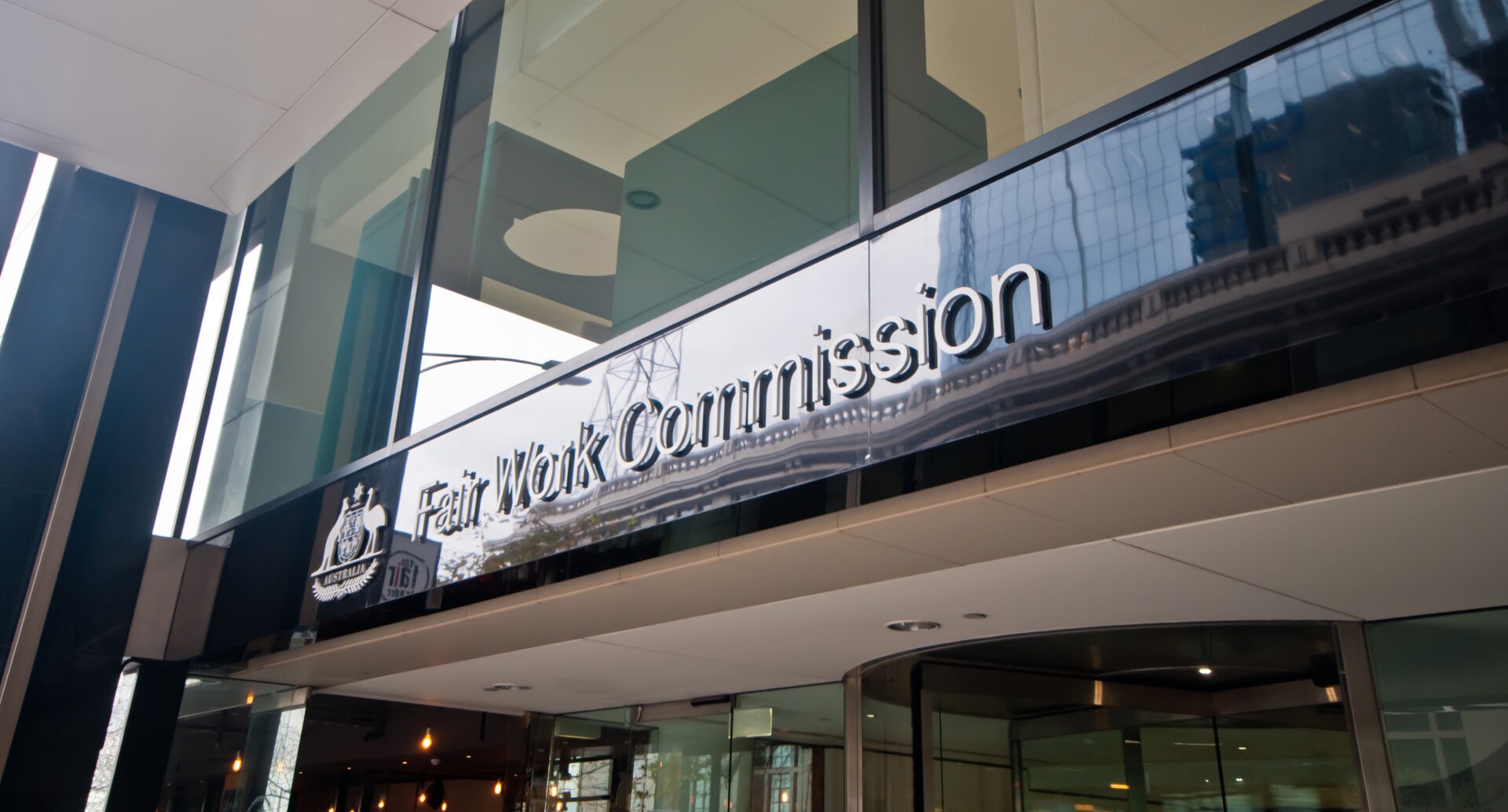
The announcement comes at a time when the Fair Work Commission is under increasing pressure. Over the past three years, the Commission’s workload has increased by more than 70%, driven by a combination of factors including more self-represented applicants, resourcing pressures and the use of generative AI tools to prepare applications.
In response, the Commission has been trialling a number of changes, including early dispute resolution processes, changes to case management and further development of its online systems. The proposed Court appears to be part of a broader attempt to make workplace dispute resolution more efficient, particularly where the cost and delay of litigation may outweigh the value of the claim.
What do we know so far?
At this stage, the detail is limited. The Government has indicated that it will consult on the design of the Court later this year.
The Court is expected to include specialist judges with workplace law and industrial relations expertise. It is not intended to replace the Fair Work Commission. Rather, it would sit alongside the Commission and provide a specialist pathway for workplace disputes.
Important questions remain unanswered. These include what types of matters the Court will hear, how it will interact with the Fair Work Commission and the existing federal courts, what processes will apply, and what appeal rights will be available.
There has also been some concern from employer groups that a new Court could add another layer to an already complex system, rather than making workplace disputes easier to resolve. Much will depend on how the Court is designed and how clearly its role is defined.
What should employers do now?
For now, employers do not need to change their processes based on the announcement alone. Employers should continue to focus on good workplace governance and early risk management:
- keep track of updates about the proposed Court and consultation process;
- review common risk areas, including award and enterprise agreement compliance, wages, entitlements, record keeping and termination processes;
- make sure managers understand the importance of clear documentation and procedurally fair decision-making;
- consider whether current processes are likely to withstand closer scrutiny if a dispute is progressed quickly; and
- seek advice early where a matter may involve underpayment, adverse action, dismissal or other workplace claims.
Employers will have an opportunity to provide feedback through the consultation process before the Court’s design is finalised. Page Seager will be making submissions, and we welcome any input our clients may have about what they would like to see included.