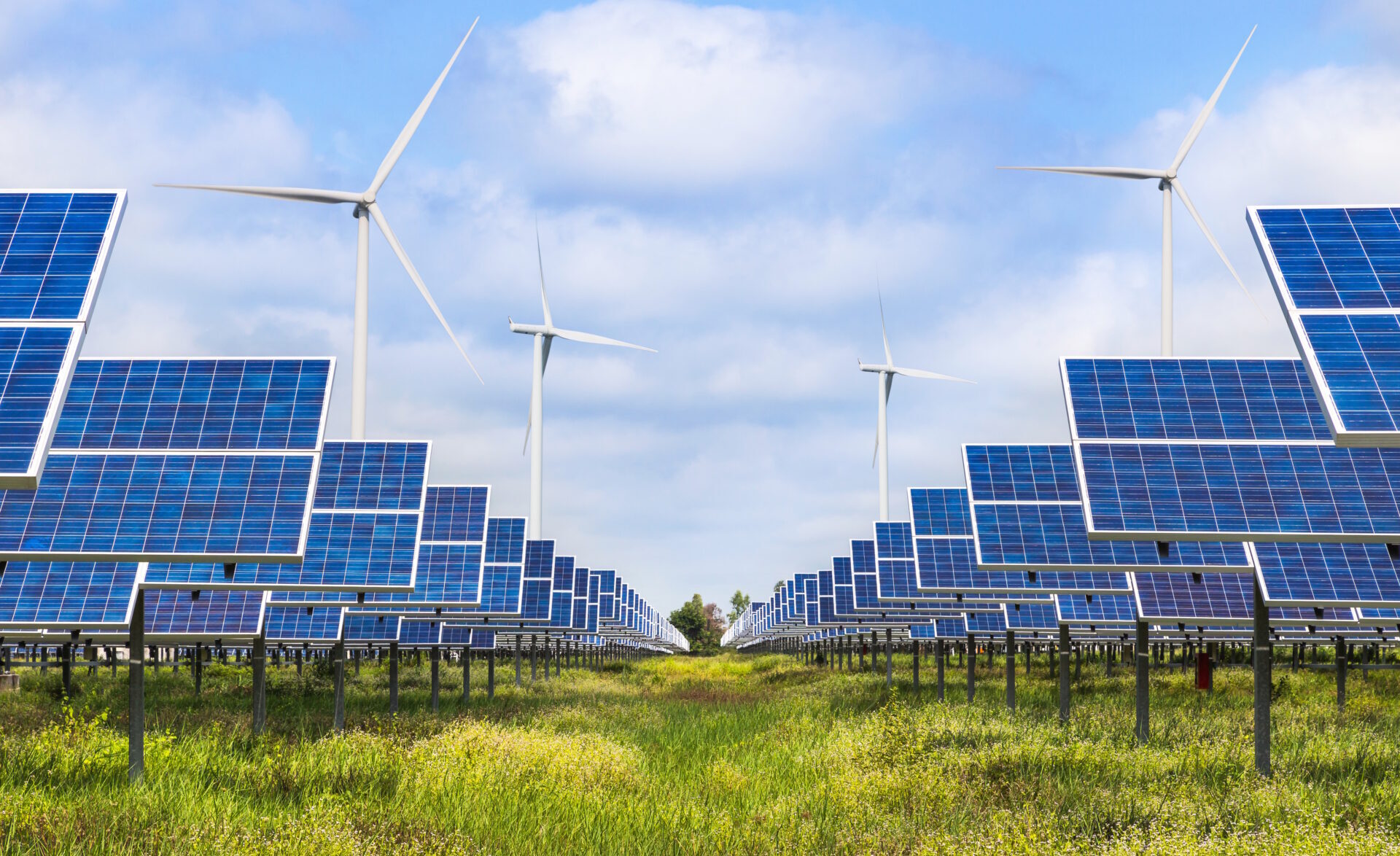
Australia’s 2026 energy reforms: Major consultations set to reshape manufacturing, gas markets and emissions policy
1 – Domestic Manufacturing: Wind & Transmission Infrastructure
The Commonwealth Government is seeking submissions on expanding Australia’s capability to manufacture wind towers and transmission infrastructure locally.
The consultation focuses on:
- current and potential domestic manufacturing capacity;
- opportunities for Australia steel and fabrication businesses;
- policy settings to improve competitiveness and resilience; and
- market signals needed to support long-term investment.
Commercial implications:
- Possible shifts in procurement frameworks for large-scale renewable and transmission projects.
- Domestic content expectations in government-supported projects.
- Supply chain and cost structure impacts for developers.
This aligns with broader sovereign capability and Future Made in Australia policy settings.
Submissions close 6 March 2026.
2 – Gas Market Reform: Reservation & Transparency Measures
Reforms flowing from the Commonwealth’s Gas Market Review include consultation on a proposed domestic gas reservation scheme and expanded transparency mechanisms.
These reforms may represent one of the most significant structural interventions in east coast gas markets in over a decade.
Issues for industry:
- Potential impacts on east coast gas availability and pricing.
- Contracting strategy implications for large industrial users.
- Investment uncertainty for upstream producers and gas-fired generators.
- Interaction with existing ACCC oversight and LNG export dynamics.
Consultation continues through 2026, with implementation targeted for 2027.
3 – Safeguard Mechanism Review (2026-27)
The upcoming review will assess whether the safeguard mechanism is delivering emissions reductions consistent with Australia’s national targets and will consider:
- post‑2030 baseline declines rates;
- the Australian Carbon Credit Unit (ACCU) supply and offset availability;
- future design of compliance mechanisms beyond 2030; and
- interaction between safeguard obligations and the ACCU scheme.
For covered-facilities, this review has direct implications for:
- emissions compliance trajectories;
- long-term carbon cost exposure; and
- industrial decarbonisation investment decisions.
4 – Electricity & Energy Sector Plan
As part of the Net Zero Plan 2050, the Commonwealth Government is preparing sectoral roadmaps, including the Electricity and Energy Sector Plan.
This framework is expected to provide direction on:
- reliability and system security settings;
- storage and firming investment pathways;
- transmission expansion and system planning; and
- interaction with AEMO’s Integrated System Plan (ISP).
For generators, networks and investors, this will signal medium-to-long-term policy priorities.
5 – Energy Performance Standards: Greenhouse and Energy Minimum Standards Act 2012
The Energy and Climate Change Ministerial Council has agreed to progress new and updated minimum energy performance standards (MEPS), including:
- introduction of MEPS for heat pump water heaters;
- increased standards for external power supplies; and
- broader expansion of covered equipment categories.
Relevance for industry:
- Impact on product design, market access, and compliance obligations for manufacturers, importers, and suppliers.
- Potential flow-on effects for residential and commercial energy demand.
- Certification, transition and enforcement implications for affected suppliers.
Exposure draft regulations are expected later this year.
Strategic takeaway for 2026
Across these consultations, several themes are emerging:
- Increased federal intervention in energy markets.
- Greater emphasis on domestic capability and supply chain resilience.
- Rising emissions compliance costs for large facilities.
- Expanded reporting and regulatory transparency obligations.
Early engagement can materially influence regulatory outcomes and protect commercial interests. Page Seager Lawyers advises energy market participants, manufacturers and industrial emitters on regulatory strategy, compliance risk and investment structuring across Australia’s evolving energy framework.